
An island city, partly made by hand
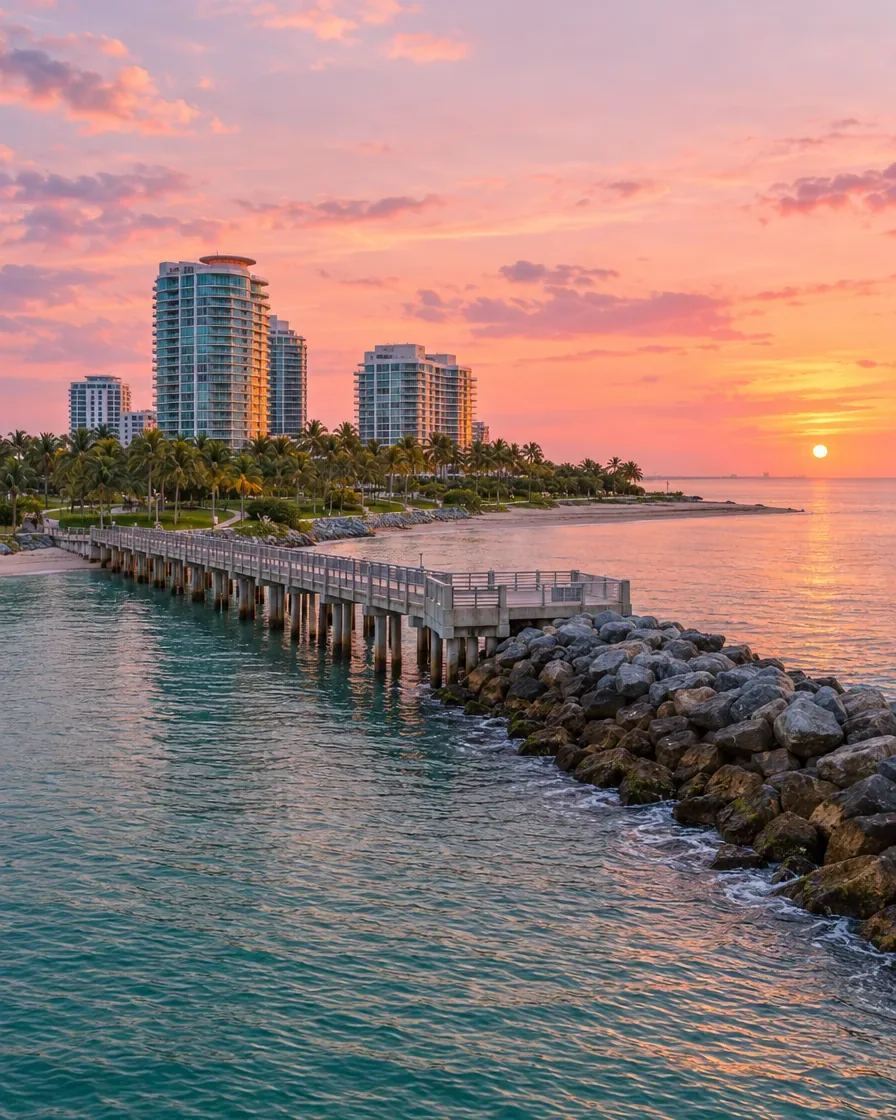
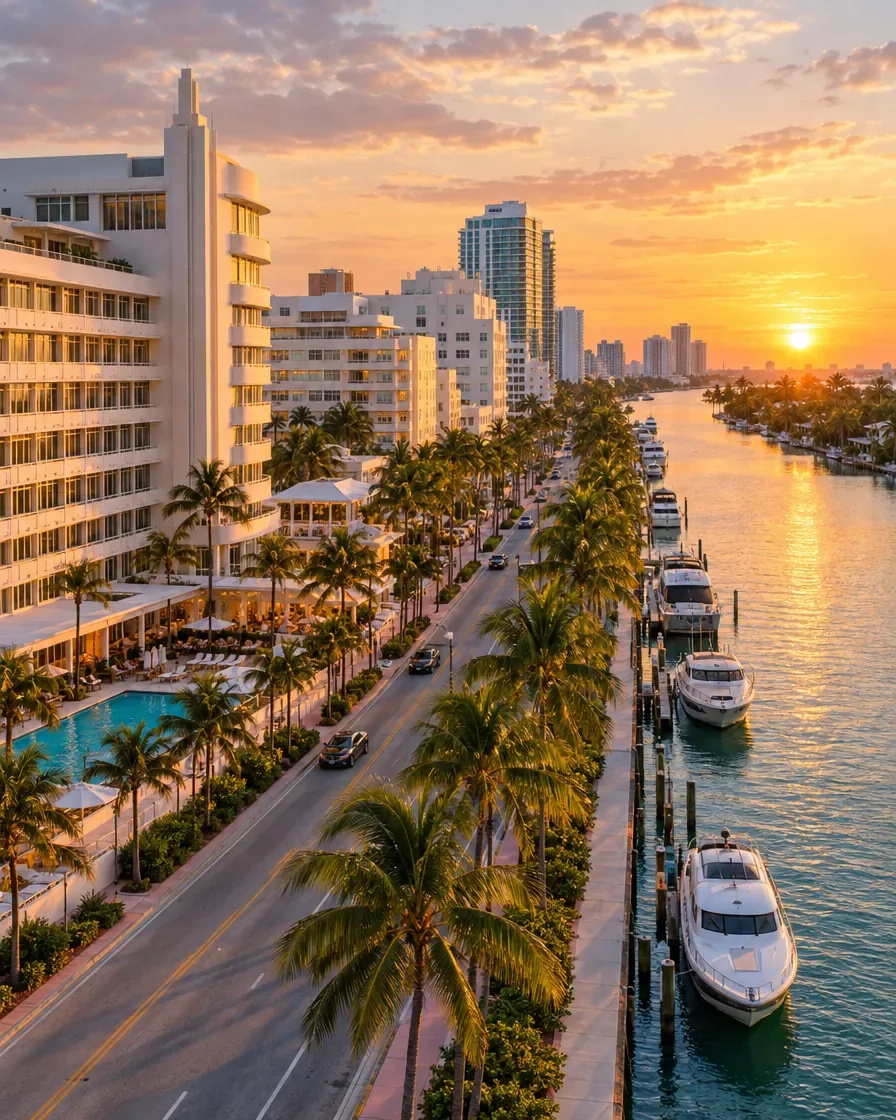
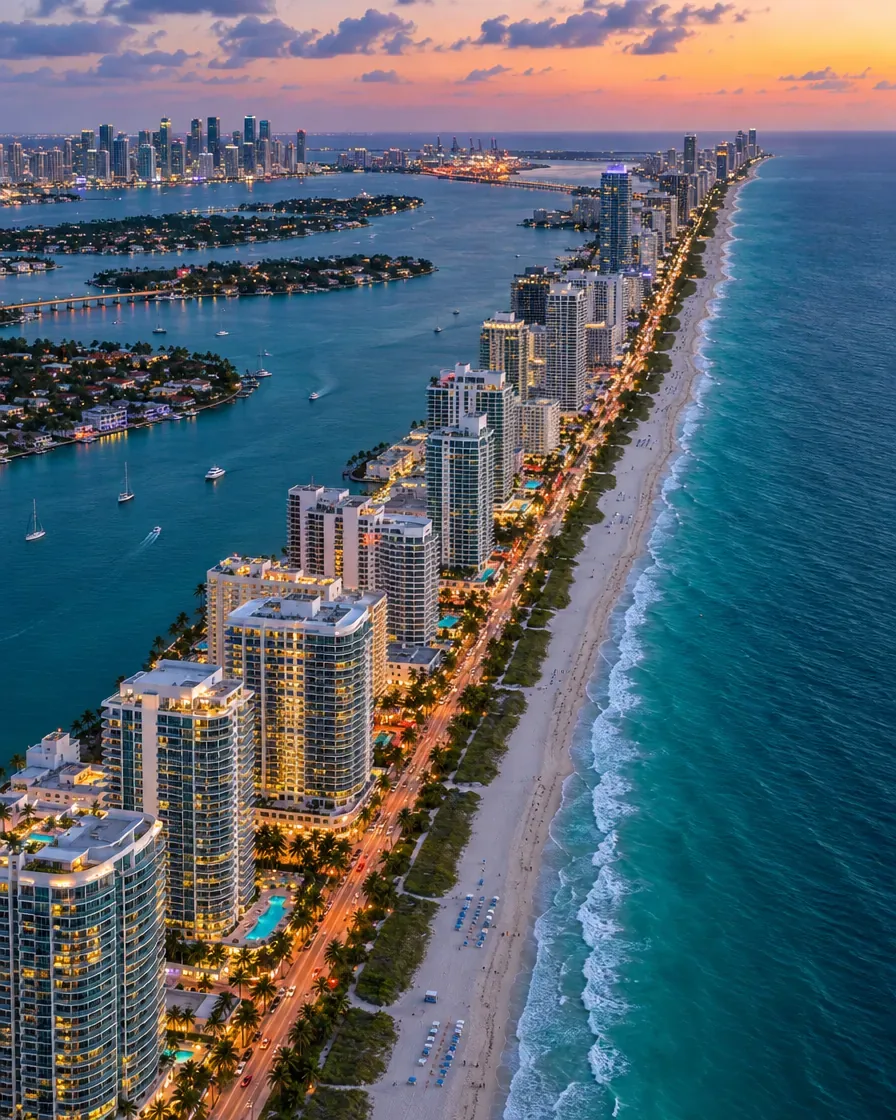
Miami Beach sits on barrier islands, some natural and some built, between the Atlantic Ocean and Biscayne Bay, and the bay separates it from the mainland city of Miami. Of its 18.7 square miles, 7.0 are land and 11.7 are water.
The built islands include Star, Palm and Hibiscus, the Sunset Islands, much of Normandy Isle and every one of the Venetian Islands except Belle Isle. The peninsula itself became an island in April 1925, when Haulover Cut was opened north of what is now Bal Harbour.
The Town of Miami Beach was chartered on March 26, 1915, and became a city in 1917. Brown’s Hotel, built in 1915 as the first hotel on the beach, still stands at 112 Ocean Drive.
The historic districts and what they control
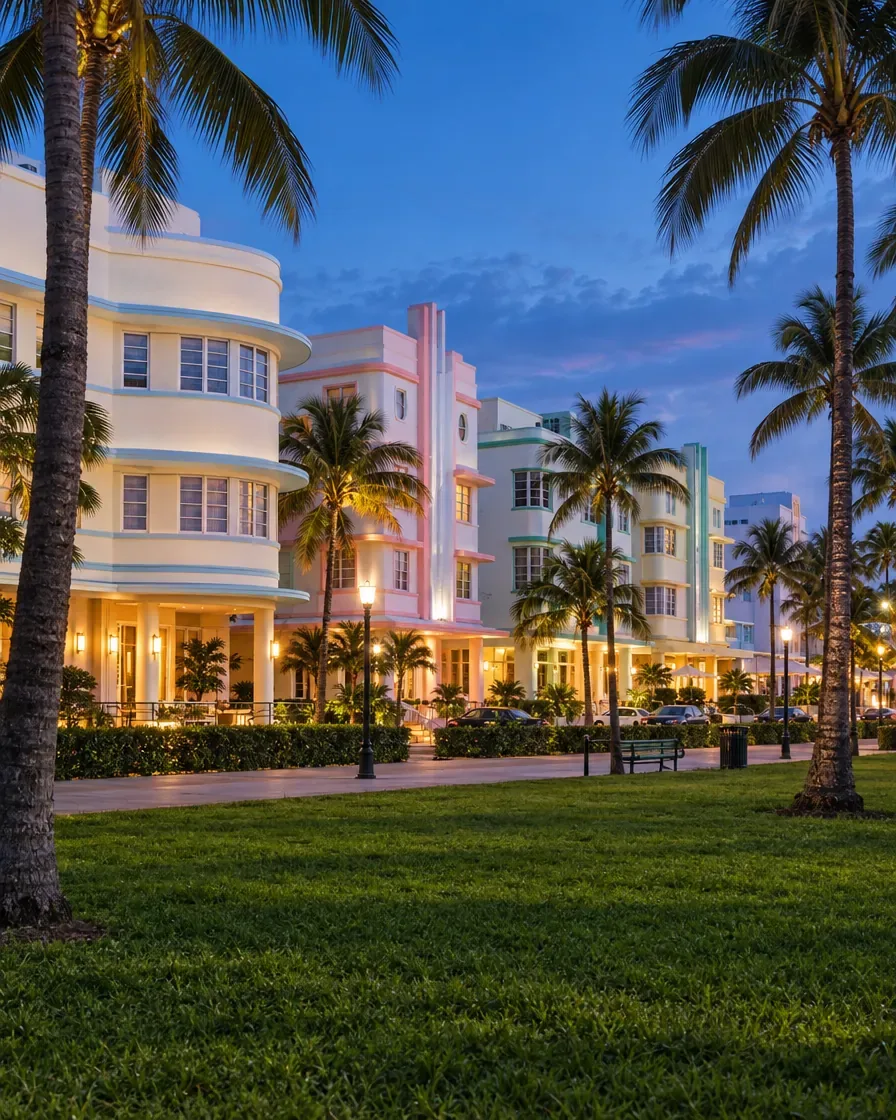
The city describes its architecture as the world’s largest collection of Art Deco, together with Mediterranean Revival and Miami Modern, called MiMo. On May 14, 1979, the Miami Beach Architectural District became the first urban 20th-century historic district in the nation listed on the National Register of Historic Places. The city’s districts now take in over 2,600 buildings, 70 percent of them considered contributing or historic.
There are 14 local historic districts, and every property inside one is classified as Contributing or Non-Contributing. Total demolition of a building in a district, or of an individually designated site, needs Historic Preservation Board approval at a public hearing. By the city’s own planning FAQ, repairs, window and storefront replacement, awnings, canopies, exterior paint and facade restoration may be approved by staff.
On single-family lots, a two-story house may cover at most 30 percent of the lot, and its unit size is capped at 50 percent of lot area. A house built before 1966 may qualify to be classified as architecturally significant.
Elevation and the flood rules
Based on FEMA flood maps, 93 percent of Miami Beach is considered to be in a flood risk zone, and the city as a whole averages only 4.4 feet above mean sea level.
The city’s substantial improvement rule is the one to know before a renovation: a house in a flood zone that is damaged or improved by more than 50 percent of its building market value must have its lowest floor raised to the current elevation requirement. The city has collected FEMA Elevation Certificates since 1995, and alongside its pump stations and raised roads it runs a Private Property Adaptation grant program for flood mitigation.
The work is visible at 20 Street and Purdy Avenue in Sunset Harbour, once the lowest section of the city. That corner now sits more than 2.5 feet above its original elevation of 1.2 feet.
Reaching the island
The six-lane MacArthur Causeway crosses Biscayne Bay from Downtown Miami to South Beach. The Venetian Causeway was listed on the National Register in 1989, and the Julia Tuttle Causeway opened in 1961.
There is no Metrorail station on the island. Metrobus lines connect it to Downtown and to Metrorail, and the city runs a free trolley on four routes: the South Beach Loop, the Middle Beach Loop, the Collins Express and the North Beach Loop. Miami Beach is governed by a ceremonial mayor and six commissioners.
Worth weighing before you buy
- Whether the property is in one of the 14 local historic districts, and whether it is classified Contributing or Non-Contributing. City staff may approve repairs, windows, awnings and paint there; total demolition needs the Historic Preservation Board at a public hearing.
- The FEMA Elevation Certificate, which the city has collected since 1995, before planning work on a house in a flood zone: work worth more than 50 percent of the building’s market value means raising the lowest floor to the current elevation requirement.
- For a single-family house built before 1966, whether it may qualify to be classified as architecturally significant.
- In a condominium building of three or more habitable stories, the latest milestone inspection summary and structural integrity reserve study. Florida requires the association to send owners the summary, and the study or notice of it, within 45 days of receiving each.